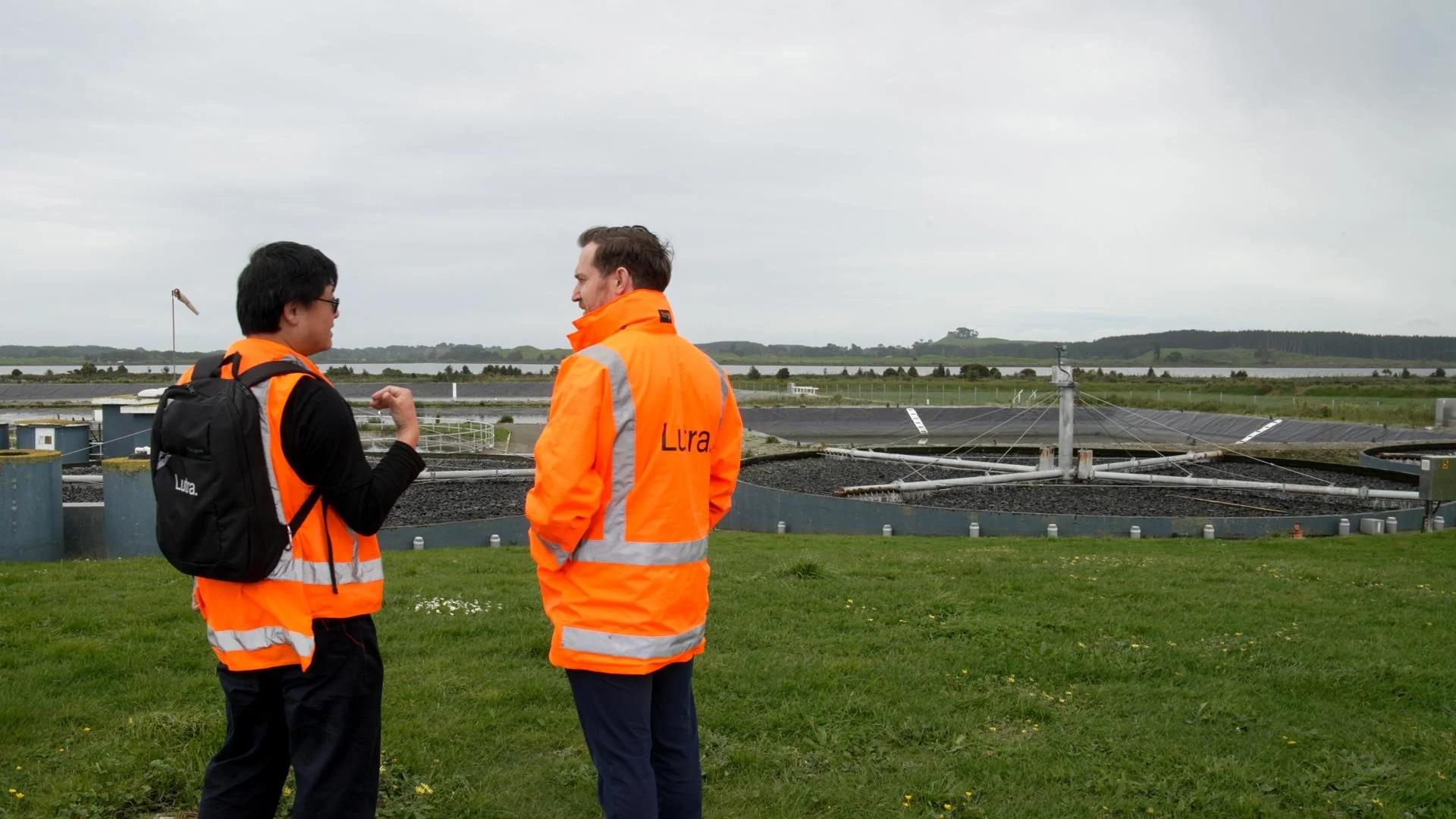
Intro to Water and Wastewater Treatment
Start Learning About Water and Wastewater Treatment
This course looks at how various water and wastewater treatment processes work, as well as looking at some of the more common treatment challenges you may face in New Zealand.
-
-
Introducing The Course
A brief introduction into what to expect from this Introduction to Water and Wastewater Treatment course.
Presented by Lutra CEO Quentin Griffiths.
A brief introduction into what to expect from this Introduction to Water and Wastewater Treatment course.
Presented by Lutra CEO Quentin Griffiths.
-
-
-
Intro to: Screening in Water Treatment
We break things down into simple, manageable parts so you never feel overwhelmed.
We break things down into simple, manageable parts so you never feel overwhelmed.
-
Intro to: Coagulation and Flocculation
Coagulation and Flocculation are an important part of many treatment processes. This lessons looks at what there are, what they do and why they are important to get right.
Coagulation and Flocculation are an important part of many treatment processes. This lessons looks at what there are, what they do and why they are important to get right.
-
Intro to: Clarifiers
Controlling the pH of water in your plant as well as that leaving it can be very important. pH can affect the efficiency of certain treatment chemicals as well as causing erosion in the pipe network, which is why pH correction chemicals are often dosed. This lesson explains the concept of pH control/correction.
Controlling the pH of water in your plant as well as that leaving it can be very important. pH can affect the efficiency of certain treatment chemicals as well as causing erosion in the pipe network, which is why pH correction chemicals are often dosed. This lesson explains the concept of pH control/correction.
-
Intro to: Dissolved Air Floatation DAF
Dissolved Air Flotation or DAF is a common treatment step that helps remove certain particles from water. Find out more about what it is and how it works in this lesson.
Dissolved Air Flotation or DAF is a common treatment step that helps remove certain particles from water. Find out more about what it is and how it works in this lesson.
-
Intro to: Media Filters
Media filters especially, granular gravity filters are at the heart of many treatment plants in New Zealand, this lesson explains what they are and how they work.
Media filters especially, granular gravity filters are at the heart of many treatment plants in New Zealand, this lesson explains what they are and how they work.
-
Intro to: Membrane Filters
Membrane filters are a popular type of Filtration in New Zealand. This lesson explains what they are and how they work.
Membrane filters are a popular type of Filtration in New Zealand. This lesson explains what they are and how they work.
-
Intro to: UV Disinfection
UV Reactors and UV disinfection have become one of the most important steps in treating drinking water. This lesson explains what UV reactors are and how they work.
UV Reactors and UV disinfection have become one of the most important steps in treating drinking water. This lesson explains what UV reactors are and how they work.
-
Intro to: Chlorine Disinfection
Chlorine is an important chemical in water treatment, as when used correctly it disinfects water making it safe to drink all the water to the end users home or business. This lesson looks at what it is, and how it works.
Chlorine is an important chemical in water treatment, as when used correctly it disinfects water making it safe to drink all the water to the end users home or business. This lesson looks at what it is, and how it works.
-
Intro to: pH Control
pH correction and control can be an important treatment step, as the wrong pH range can adversely affect certain treatment chemicals effectiveness, as well as causing corrosion problems in pipe networks. This lesson explains what it is and how it works.
pH correction and control can be an important treatment step, as the wrong pH range can adversely affect certain treatment chemicals effectiveness, as well as causing corrosion problems in pipe networks. This lesson explains what it is and how it works.
-
Intro to: Sludge and Dewatering
Sludge is produced by many processes in a water treatment plant, and so it is usually treated further to dewater it, saving money on disposal. This lesson talks about what dewatering is and how it works.
Sludge is produced by many processes in a water treatment plant, and so it is usually treated further to dewater it, saving money on disposal. This lesson talks about what dewatering is and how it works.
-
Intro to: Fluoride
Fluoride is a chemical often added to water to help with dental health. This lesson looks at what it is, how is it dosed and why is it sometimes contentious.
Fluoride is a chemical often added to water to help with dental health. This lesson looks at what it is, how is it dosed and why is it sometimes contentious.
-
Intro to: E.coli
E.coli is one of the main contaminants you will test and sample for in water treatment, what is it, why is it such a key indicator organism and what is done if you get a positive result.
E.coli is one of the main contaminants you will test and sample for in water treatment, what is it, why is it such a key indicator organism and what is done if you get a positive result.
-
Intro to: Total Coliforms
This lesson looks at total coliforms, what they are and why it is important to test for them, and what to do if you get a positive result.
This lesson looks at total coliforms, what they are and why it is important to test for them, and what to do if you get a positive result.
-
-
-
Treatment Challenge: Taste and Odour Treatment
This lesson looks at the treatment challenge of taste and odour along with some possible mitigations.
This lesson looks at the treatment challenge of taste and odour along with some possible mitigations.
-
Treatment Challenge: Algae
Algae can be a particularly tough thing to handle in a water treatment plant, this lesson looks at what the challenge is and possible mitigations.
Algae can be a particularly tough thing to handle in a water treatment plant, this lesson looks at what the challenge is and possible mitigations.
-
Treatment Challenge: Flooding
This lesson looks at the challenges that flooding can present to a water treatment plant.
This lesson looks at the challenges that flooding can present to a water treatment plant.
-
Treatment Challenge: Contaminants of Emerging Concern CECs
This lesson looks at Contaminants of Emerging Concern such as PFAS and microplastics, and the issue of how to deal with them in water treatment.
This lesson looks at Contaminants of Emerging Concern such as PFAS and microplastics, and the issue of how to deal with them in water treatment.
-
-
-
Wastewater Reporting Requirements - WEPS
This lesson looks at what the reporting requirements with regards to the new Wastewater Environmental Protection Standards (WEPS) are and what they mean for water suppliers.
This lesson looks at what the reporting requirements with regards to the new Wastewater Environmental Protection Standards (WEPS) are and what they mean for water suppliers.
-
Water Reporting Requirements - DWQAR
This lesson gives an overview of the reporting required under the Drinking Water Quality Assurance Rules or DWQAR.
This lesson gives an overview of the reporting required under the Drinking Water Quality Assurance Rules or DWQAR.
-
Water Safety Plans
This video looks at Water Safety Plans, Source Water Risk Management Plans, and Improvement Plans, it looks at what they are and why they are so vital to keeping your assets running properly and your community safe.
This video looks at Water Safety Plans, Source Water Risk Management Plans, and Improvement Plans, it looks at what they are and why they are so vital to keeping your assets running properly and your community safe.
-
-
-
Intro to Wastewater Treatment
A quick overview of the concept of wastewater treatment and why it is important.
A quick overview of the concept of wastewater treatment and why it is important.
-
Intro to: Screening
This lesson looks at preliminary treatment/screens, what they are and how they work.
This lesson looks at preliminary treatment/screens, what they are and how they work.
-
Intro to Clarifiers in Wastewater Treatment
This video looks at clarifiers, what they are, and how they work.
This video looks at clarifiers, what they are, and how they work.
-
This lesson looks at what oxidations ponds are and how they work.
-
Intro to: Activated Sludge
This lesson looks at what activated sludge treatment is and how it works.
This lesson looks at what activated sludge treatment is and how it works.
-
Intro to: Dissolved Air Flotation (DAF)
This lesson looks at what a Dissolved Air Flotation (DAF) system is, and how it works.
This lesson looks at what a Dissolved Air Flotation (DAF) system is, and how it works.
-
Intro to: Moving Bed Bioreactors (MBBR)
This lesson looks at what Moving Bed Bioreactors (MBBR) are and how they work.
This lesson looks at what Moving Bed Bioreactors (MBBR) are and how they work.
-
Intro to: Membrane Bioreactors (MBR)
This lesson looks at what Membrane Bioreactors (MBR) are and how they work.
This lesson looks at what Membrane Bioreactors (MBR) are and how they work.
-
Intro to: UV Disinfection
UV disinfection is the final key treatment process in wastewater treatment, find out why and how it works.
UV disinfection is the final key treatment process in wastewater treatment, find out why and how it works.
-
Intro to: Chlorine Disinfection
This lesson looks at what chlorine disinfection is and how it works.
This lesson looks at what chlorine disinfection is and how it works.
-
Intro to: Sludge and Dewatering
Almost all wastewater treatment processes have their own waste stream of sludge which must be dewatered before disposal. This lesson talks about what dewatering is and how it works.
Almost all wastewater treatment processes have their own waste stream of sludge which must be dewatered before disposal. This lesson talks about what dewatering is and how it works.
-
Intro to: Thermal Destruction
Some contaminants can’t be treated with normal biological wastewater processes, this lesson looks at the option of using thermal destruction. The lesson looks at why it is important and how it works.
Some contaminants can’t be treated with normal biological wastewater processes, this lesson looks at the option of using thermal destruction. The lesson looks at why it is important and how it works.
-
Intro to: Wastewater Discharge
This lesson looks at what wastewater discharge is, the different forms and some considerations around them.
This lesson looks at what wastewater discharge is, the different forms and some considerations around them.
-
Intro to Energy Use and Generation
This lesson looks at how energy is both consumed and sometimes generated on a wastewater treatment plant.
This lesson looks at how energy is both consumed and sometimes generated on a wastewater treatment plant.
-
-
What You'll LearnExpert-Backed Content
Water and Wastewater treatment businesses are complicated, with many moving parts. This course tries to break down the different practical processes that make up a treatment plant, so you understand it end-to-end.
Understand What Your Business Does and Why
There are a daunting number of process names and acronyms in the industry, these lessons will explain them so you aren’t left out of the conversation.
Learn the lingo
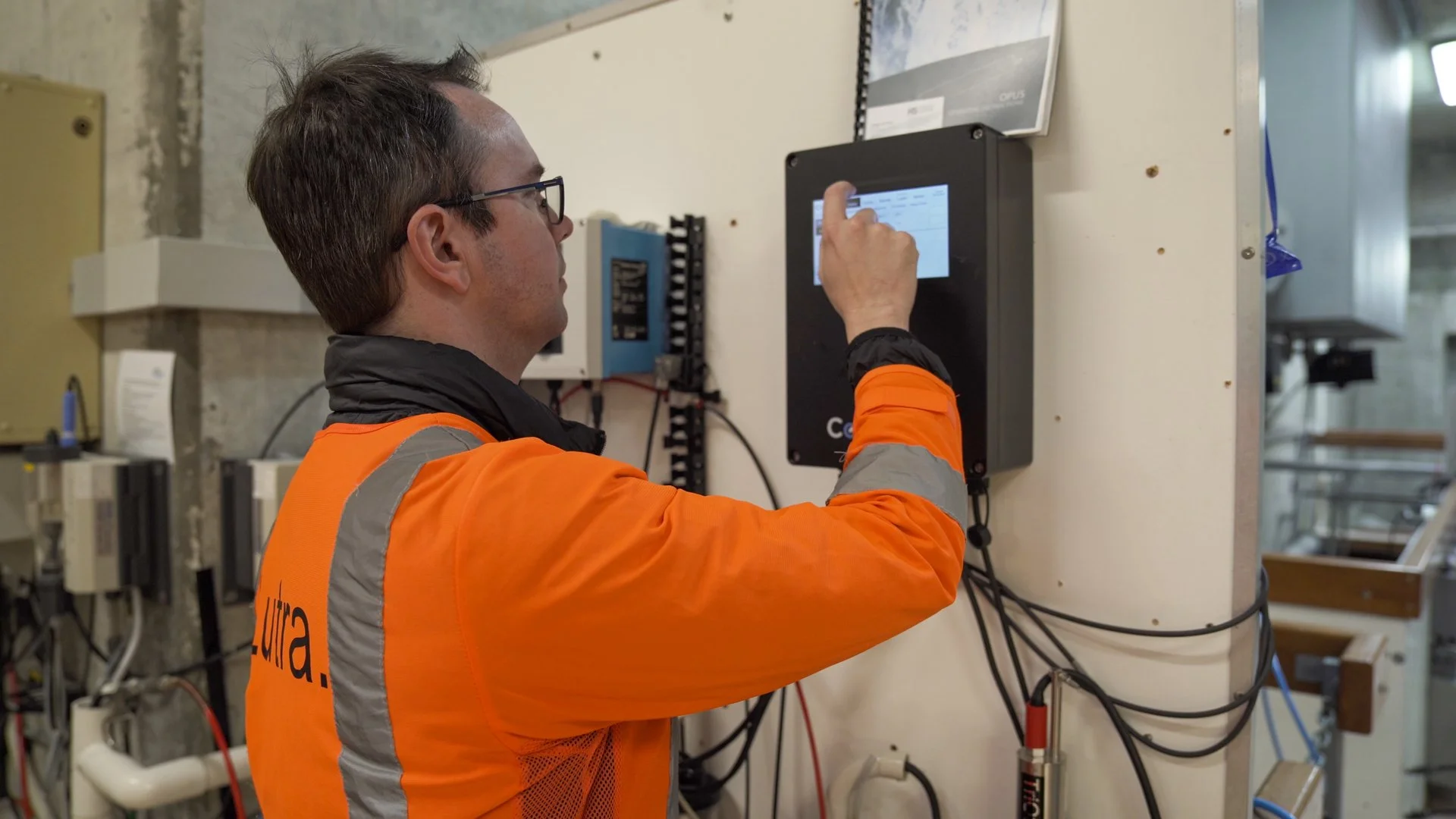
Our team of instructors has a great deal of experience across the industry, find out more about the team below.
By looking of some of the more difficult challenges that are faced by water and wastewater treatment plants you can understand what is going on and how to approach them.
Understand the Challenges
All content has been written and reviewed by Lutra’s expert team of process engineers and content creators, so you can be sure your getting the right information.
Written by the Experts
Meet the Team
-
![]()
Ivan Ottenheijm
Senior Process Engineer and Water Team Leader
With more than 10 years of experience working on water treatment projects across New Zealand and Australia, Ivan really knows water. -
![]()
James Small
Water Process Engineer
James is a recent graduate with a degree in Chemical and Process Engineering from the University of Canterbury. He is already working hard on various water treatment projects. -
![]()
Alex Cliff
Wastewater Process Engineer
Alex is a passionate wastewater engineer with years of academic and practical experience. -
![]()
David Romilly
Chief Engineer
David has many years of experience in the wastewater industry in the US, Australia and of course New Zealand. -
![]()
Joshua Braithwaite
Wastewater Process Engineer
Josh is a wastewater process engineer with a background in civil engineering.
-
![]()
Andreas Fischer
Senior Process Engineer & Innovation Lead
Andy is both a senior water process engineer and our innovation lead exploring new products and processes.
-
![]()
Quentin Griffiths
CEO
Quentin leads Lutra towards its purpose: To protect water, the environment and people’s health by delivering smarter solutions.
-
![]()
John Wilson
Marketing Manager
John heads up marketing, but also training content creation, like this course and Lutra’s License To Operate operator training.